

1992 - King Charles and Camilla
The relationship between Charles III and Camilla, Queen Camilla became one of the most controversial royal scandals of the late twentieth century.
Although the two had known each other since the early 1970s, they did not marry and instead went on to have separate relationships.
When Charles married Diana, Princess of Wales in 1981, many people viewed the wedding as a modern fairy tale. However, problems within the marriage emerged over time.
Diana later spoke publicly about feeling isolated and unhappy, while reports suggested that Charles had resumed a relationship with Camilla during the marriage.
In 1992, the publication of Andrew Morton’s book Diana: Her True Story brought many private details of the royal marriage into the public eye.
The revelations generated enormous media attention and increased public sympathy for Diana. As more information emerged, Charles faced growing criticism, and his reputation suffered significantly.
The scandal contributed to the eventual separation and later divorce of Charles and Diana.
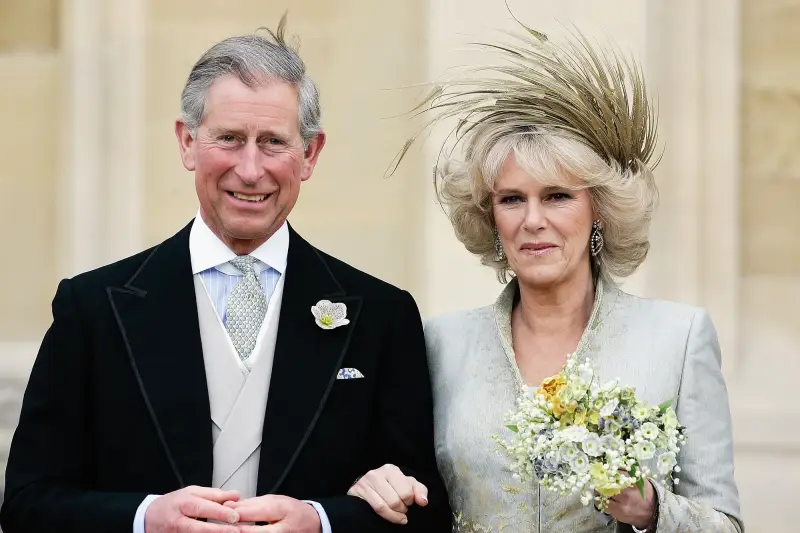
1993 - “Camillagate“
The “Camillagate” scandal erupted in 1993 when transcripts of a secretly recorded telephone conversation (1989) between Charles and Camilla were published in the press.
Although the call had taken place several years earlier, its release caused widespread embarrassment and attracted intense media coverage around the world.
The conversation contained highly personal remarks that many people found inappropriate coming from the heir to the throne.
At a time when Charles’s marriage to Diana was already under intense scrutiny, the leak reinforced public perceptions that the relationship had broken down beyond repair.
The scandal damaged Charles’s popularity and further fueled criticism of the Royal Family. Newspapers covered the story extensively, and it became one of the defining royal controversies of the decade. Together with other scandals of the early 1990s, Camillagate contributed to what the Royal Family later described as one of its most difficult periods in modern history.
Recreation of THE phonecall between Camilla and Charles…
1994 - Revenge
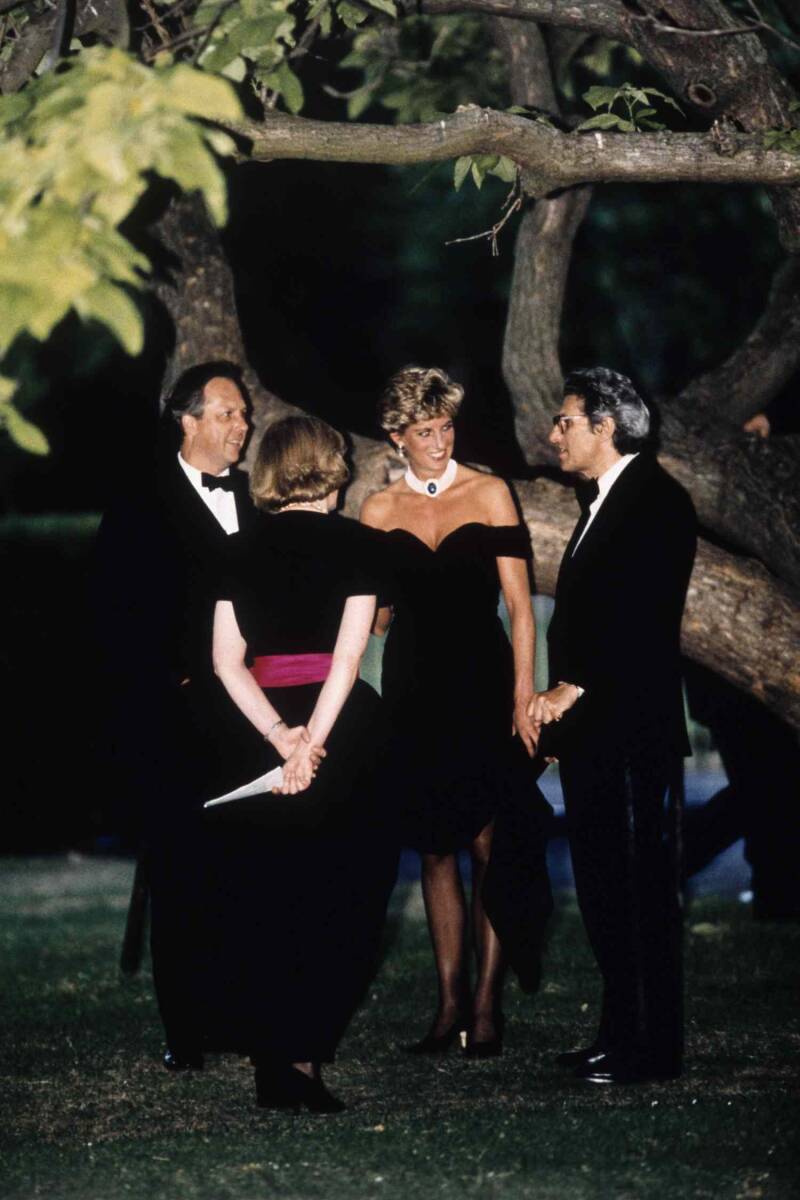

Diana in her “Revenge Dress“, that she wore at the Vanity Fair fundraising gala, the same day that Charles admitted his infidelity.
1997 - Diana, Media pressure and Death
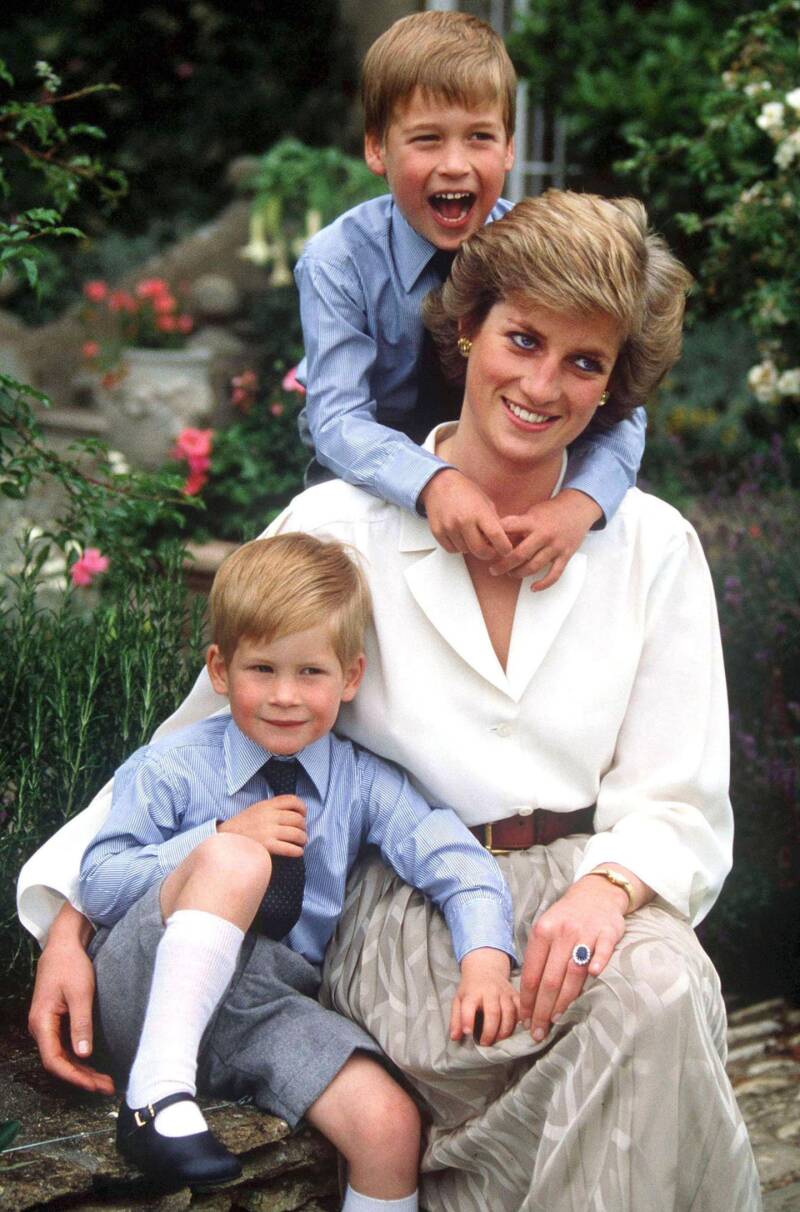
The marriage of Diana, Princess of Wales and Charles III was marked by years of public difficulties, intense media attention, and personal conflict. Throughout the 1990s, Diana became one of the most photographed women in the world, and constant media scrutiny placed enormous pressure on her personal life. Paparazzi stalked her everywhere, which put massive mental pressure on her and her family.
On 31 August 1997, Diana died in a car crash in Paris while being pursued by paparazzi photographers.
Her death shocked people across the globe and triggered an unprecedented public outpouring of grief.
Millions mourned her loss, remembering her for her humanitarian work, compassion, kindness and ability to connect with ordinary people.
She did humanitarian work such as visiting people with HIV or AIDS and physically touching them at a time when fear and stigma was widespread.
She became a global advocate for banning landlines and walked through cleared and active mine areas wearing protective gear to support international campaigns to ban their use.
The initial response of the Royal Family was widely criticized as being too reserved and distant.
The public reaction prompted significant changes in how the monarchy communicated with the public, contributing to a more modern and emotionally open image in the years that followed.
2024-2025 - Concerns over King Charles III‘s health
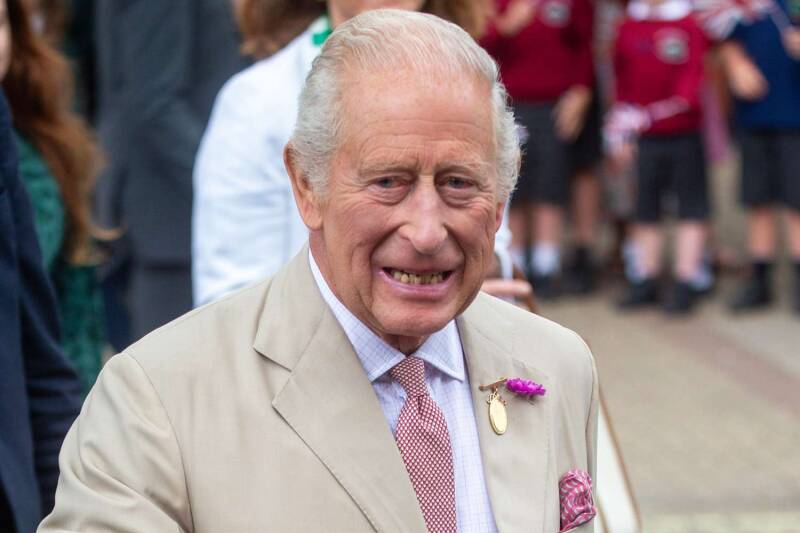
In early 2024, Charles III announced that he had been diagnosed with cancer.
The news raised concerns about the health of the monarch and highlighted the challenges facing the Royal Family during a period of transition.
As Charles temporarily reduced some public engagements while receiving treatment, questions arose about how royal duties would be managed.
During this period, William, Prince of Wales took on additional responsibilities and represented the monarchy at a number of important events.
The situation prompted broader discussions about the future of the monarchy, succession planning, and the institution’s long-term role in British public life. While speculation about Charles’s future occasionally appeared in the media, the King continued to carry out constitutional duties and remained committed to his role as monarch.
Erstelle deine eigene Website mit Webador